Im Jahr 2026, mit dem explosionsartigen Wachstum der Märkte für Industrieautomation, humanoide Roboter, AGVs/AMRs und Spezialroboter, verlagern sich die Anforderungen an Roboterbatterien zunehmend hin zu Merkmalen wie hoher Sicherheit, hoher Leistungsfähigkeit, kundenspezifischer Anpassung und Eignung für extreme Umgebungen. Dieser Artikel stellt die zehn führenden Roboterbatteriehersteller Chinas vor und bietet damit eine professionelle Orientierungshilfe für die Branchenauswahl.
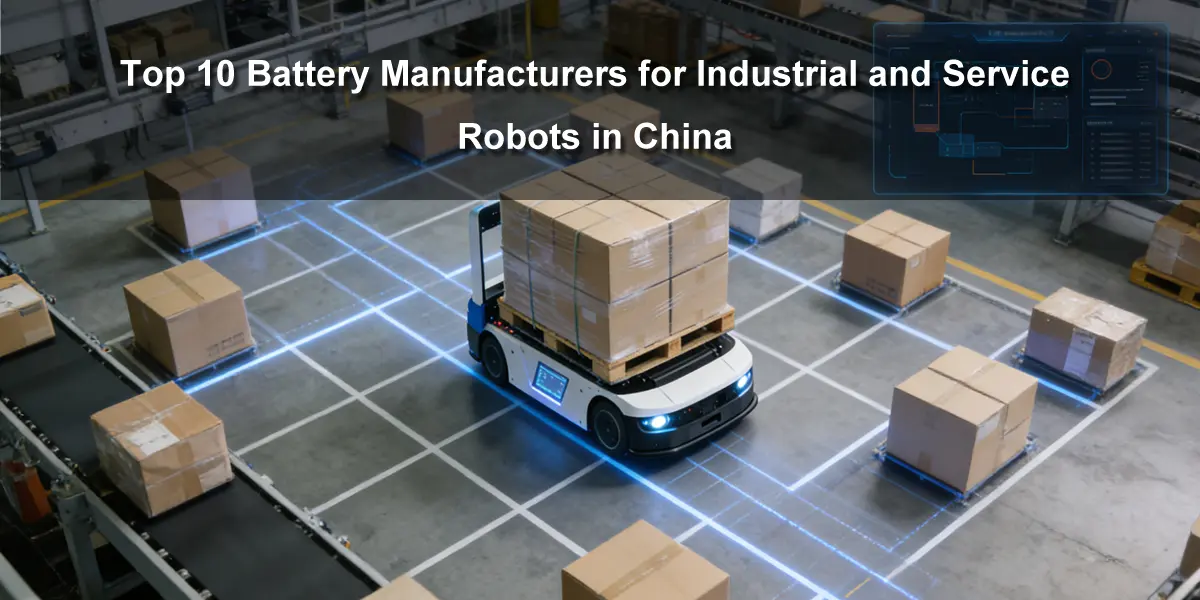
Die Top 10 der Roboterbatteriehersteller in China bis 2026
CATL
Markenpositionierung: CATL ist eine weltweit führende Marke für Antriebsbatterien und die bevorzugte Wahl für die standardisierte Massenproduktion von Batterien für humanoide und universell einsetzbare Roboter.
Markenmerkmale: Optimale Kosten bei großen Stückzahlen, stabile Lieferung, Qualität in Automobilqualität; vergleichsweise geringe Möglichkeiten zur tiefgreifenden Anpassung, geeignet für standardisierte Modelle in großen Stückzahlen.
Technologische Kernvorteile:
- Chemisches System: 4680 große zylindrische Zellen, ternär/Lithium-Eisenphosphat-Doppelroute, mit einer maximalen Energiedichte von 280Wh/kg, Unterstützung einer 5C-Hochstromentladung und einer Zyklenlebensdauer von mehr als 3000 Zyklen.
- Spitzentechnologie: Als weltweit erstes Unternehmen brachte Galaxy General Festkörperbatterien speziell für humanoide Roboter auf den Markt (Labordichte 500Wh/kg). Muster wurden bereits an führende Unternehmen wie Galaxy General versandt.
- BMS und Wärmemanagement: Intelligentes BMS in Automobilqualität, das Mehrstrang-Hochspannung, aktiven Lastausgleich und Schutz vor extremer thermischer Überhitzung unterstützt; integriertes Wärmemanagement, das für den 24-Stunden-Dauerbetrieb geeignet ist.
Marktposition: Hält einen Marktanteil von 40 % im Markt für High-End-Batterien für humanoide Roboter.
Anwendungsszenarien: Humanoide Roboter (strategischer Lieferant von Galaxy General), große AGVs/AMRs, Serviceroboter und Schwerlast-Industrieroboter.
Tianneng
Markenpositionierung:Ein weltweit führendes Unternehmen für Antriebsbatterien mit einem umfassenden Technologieportfolio aus Blei-Lithium-Wasserstoff-Natrium-Batterien und Festkörperbatterien sowie ein wichtiger Energielieferant für Industrie- und Spezialroboter.
Markenmerkmale:Umfassendes Technologieportfolio, tiefgreifende Expertise in industriellen Anwendungsszenarien und führende Massenproduktion von Festkörpertechnologie; dank hoher Produktionskapazitäten und der Möglichkeit zur kundenspezifischen Anpassung ist das Unternehmen der bevorzugte Partner für Industrieroboter und High-End-Spezialroboter.
Technologische Kernvorteile:
- Diverse Technologiebasis: Verfügt über eine umfassende Technologie-Roadmap für Blei-Lithium-Wasserstoff-Natrium-Batterien und Festkörperbatterien, die alle Anwendungsszenarien von allgemeinen bis hin zu extremen Betriebsbedingungen abdeckt.
- Industrielle Lithiumbatterien: Repräsentiert durch 280-Ah-LiFePO4-Zellen mit schnellem Ionenkanal-Elektrodendesign. Unterstützt 3C-Hochstromentladung, stabilen Betrieb in einem breiten Temperaturbereich von -30 °C bis 65 °C, Energiedichte von 170 Wh/kg und Zyklenlebensdauer von über 4500 Zyklen. Speziell entwickelt für den 24-Stunden-Dauerbetrieb von Geräten wie AGVs und Gabelstaplern.
- Hochleistungs-Lithium-Eisen-Mangan-Batterien: Entwickelt für fahrerlose Transportsysteme (AMRs) mit optimalem Verhältnis von Hochstromentladung und langer Lebensdauer.
- Durchbruch in der Festkörpertechnologie: Halbfestkörperbatterien werden in Serie gefertigt und in anspruchsvollen Anwendungen eingesetzt. als intelligente Roboter und Drohnen.
Marktposition: Wir gehören zu den drei führenden Batterielieferanten für industrielle Schwerlastroboter (über 100 kg) und sind führend im Wachstum der Batterielieferungen für langsame Lieferroboter.
Anwendungsszenarien: Industrielle AGVs/AMRs, Elektrogabelstapler, Logistikroboter, schwere Industrieanlagen; High-End-Humanoide/Quadruped-Roboter, Drohnen und mobile Spezialgeräte.
AMPACE
Markenpositionierung: Experte für zylindrische Hochleistungsbatteriezellen, Hauptlieferant für industrielle Kollaborations-, Service- und Werkzeugroboter.
Markenmerkmale: Hohe Leistung, lange Lebensdauer, schnelles Laden, breiter Temperaturbereich; Fokus auf zylindrische Hochleistungsbatterien, die den Anforderungen von leichten und kontinuierlich arbeitenden Robotern gerecht werden.
Technologische Kernvorteile:
- JP30 Flaggschiff-Akkuzelle: 18650-Akku mit durchgehenden Anschlüssen, 36 A Dauerentladung (5 Minuten), 5 Sekunden langer 140-A-Impuls, reduziert effektiv Roboterblockaden und verbessert die Betriebsstabilität.
- Leistungsdurchbruch: 3,0 Ah Kapazität (20 % höher als herkömmliche 2,5 Ah), über 600 Ladezyklen mit 9 A / 30 A Entladung (300 % längere Lebensdauer), 80 % Ladung in 10 Minuten, Tieftemperaturfähigkeit bis **-40 °C**.
- Sicherheit und Schutz: Schutzart IP67 (wasserdicht und staubdicht), flammhemmendes Gehäuse (V-0), 8-facher Sicherheitsschutz, UL/CE/UN38.3-zertifiziert.
Marktposition: Ein unangefochtener Marktführer in den Nischenmärkten für Rennroboter, Kampfroboter und High-End-Modellflugzeuge.
Anwendungsszenarien: Industrieroboter für die Zusammenarbeit, Serviceroboter (Hotel-/Gastronomie-/Reinigungswesen), Werkzeugroboter, AGVs/AMRs.
Gotion
Markenpositionierung: Führender Hersteller von Lithium-Eisenphosphat-Batterien (LFP), die erste Wahl für Sicherheit in Industrierobotern und unbemannten Systemen.
Markeneigenschaften: Höchste Sicherheit, extrem lange Lebensdauer, niedrige Kosten; etwas geringere Energiedichte, geeignet für industrielle Anwendungen, bei denen Sicherheit höchste Priorität hat.
Technologische Kernvorteile:
- LFP-Technologie: Branchenführende thermische Stabilität (nicht entflammbar/explosiv bei Nadelstich/Extrusion), Zyklenlebensdauer > 3500 Zyklen, niedrige Kosten, stabile Entladung über einen weiten Temperaturbereich (-20 °C bis 60 °C).
- Industrielösungen: Standardisierte 48-V-/96-V-/144-V-Module, Schutzart IP67, vibrations- und stoßfest, geeignet für den 24-Stunden-Dauerbetrieb.
- Kundenspezifische Lösungen: Explosionsgeschützte LFP-Batterien (GB3836-zertifiziert), Tieftemperaturausführung (einsetzbar bis -40 °C), für Chemie-, Bergbau- und Inspektionsroboter.
Marktposition: Sicherheitsmaßstab für Roboter in Spezialeinsätzen und im Export.
Anwendungsszenarien: Industrielle Inspektionsroboter, fahrerlose Transportsysteme mit Energiespeicher, Hafen- und Bergbauroboter, Anlagen für den Langzeitbetrieb ohne Aufsicht.
LEAD-WIN
Markenpositionierung: Ein Hightech-Unternehmen, spezialisiert, hochentwickelt und innovativ, das sich auf kundenspezifische Batterielösungen für langsam fahrende unbemannte Fahrzeuge/Roboter spezialisiert hat.
Markenmerkmale: Flexible Anpassung, hohe Kosteneffizienz, Beteiligung an Industriestandards; Fokus auf intelligente unbemannte Systeme, schnelle Reaktion auf Klein- bis Mittelserien.
Technologische Kernvorteile:
- Integrierte Anpassung: Komplettservice für die Entwicklung von Struktur-, Elektro- und Gebäudeleittechnik-Software, kompatibel mit AGVs, AMRs und Reinigungsrobotern.
- Funktionsschwerpunkt: Spezielle Lithiumbatterien für autonomes Fahren bei niedrigen Geschwindigkeiten, Reinigungs-, Liefer- und Inspektionsroboter.
- Starke Lieferkette: Strategische Partnerschaften mit CATL, AMPACE, Tianneng, Gotion und SVOLT gewährleisten gleichbleibende Qualität und hohe Kosteneffizienz.
Marktposition:Führend in der installierten Kapazität für Logistikroboter, unbemannte Fahrzeuge, humanoide Roboter und Reinigungsroboter.
Anwendungsszenarien:Reinigungsroboter, humanoide Roboter, AGV/AMR, langsam fahrende unbemannte Fahrzeuge, Inspektions- und Patrouillenroboter.
BYD
Markenpositionierung: Automobilqualität, vollständig selbstentwickelte Wertschöpfungskette, erste Wahl für Schwerlast-/Extremanwendungen.
Markeneigenschaften: Sicherheit auf Automobilniveau, vollständig kontrollierbare Wertschöpfungskette, widerstandsfähig gegenüber rauen Umgebungen; eingeschränkte Anpassungsmöglichkeiten, primär ausgerichtet auf Schwerlastanwendungen.
Technologische Kernvorteile:
- Blade-Batterie: Hohe Sicherheit, hohe Integration, vibrations- und stoßfest, strenge Extrusions- und Nadelpenetrationstests bestanden.
- Komplett selbstentwickelt: Zellen, BMS, Struktur und Wärmemanagement zu 100 % selbstentwickelt; hohe Sicherheitsredundanz, geeignet für extreme Arbeitsbedingungen.
- Hochspannungslösung: Hochleistungsakku (144 V–384 V), unterstützt hohe Entladeströme, kompatibel mit Schwerlast-AGVs/Gabelstaplern.
Marktposition: Absolut führend im Bereich fahrerloser Transportsysteme (AGVs) für Lagerlogistik und Flughafen-Bodenabfertigungsroboter mit einem Marktanteil von über 35 %.
Anwendungsszenarien: BYD-Innenroboter, Industriestapler, Schwerlast-AGVs für Häfen, Spezialroboter für den Bergbau.
EVE
Markenpositionierung: Weltweit führend in der zylindrischen Batterietechnologie und ein wichtiger Zulieferer für kleine, kollaborative und vierbeinige Roboter.
Markeneigenschaften: Hohe Leistung, hohe Zuverlässigkeit und exzellente Tieftemperaturleistung; Fokus auf zylindrischer Zelltechnologie, angepasst an die Leichtbauanforderungen von Robotern.
Technologische Kernvorteile:
- Zylindrische Zellen: Serienmäßig gefertigte Zellen der Baureihen 18650/21700/4680, Energiedichte 260 Wh/kg, 3C Dauerentladung, 10C Spitzenentladung und über 3500 Zyklen.
- Halbfestkörpertechnologie: Roboterspezifische Halbfestkörperbatterien mit einer Energiedichte von 300 Wh/kg; Muster an UBTECH und Calcium geliefert.
- Konstanz: Zellvariation innerhalb von **µ3 mV**, geeignet für präzise Leistungsabgabe in Robotern mit mehreren Freiheitsgraden.
Marktposition: Hauptlieferant in Teslas Optimus-China-Lieferkette; Kernlieferant für vierbeinige Roboter.
Anwendungsszenarien: Vierbeinige Roboter, kleine kollaborative Roboter, Logistik-AGVs, Serviceroboter.
SUNWODA
Markenpositionierung: Spezialisiert auf kundenspezifische Batterien für Roboter mit unregelmäßiger Form/dünnem Gehäuse.
Markenmerkmale: Dünnes und leichtes Design, anpassbare, unregelmäßige Formen, hohe Platzanpassungsfähigkeit; mittlere Energiedichte, primär für kleine High-End-Roboter.
Technologische Kernvorteile:
- Technologie für weiche Akkus/unregelmäßige Form: Ultradünne Polymer-Akkus (bis zu 3,8 mm dünn), unregelmäßige Struktur für 40 % bessere Raumausnutzung.
- Gewichtsreduzierung: Das Gewicht des Akkus wurde um 25 % reduziert und eignet sich für kompakte, bionische und medizinische Roboter.
- Humanoides Layout: Speziell entwickelte, flexible Akkus, die sich den gekrümmten Oberflächen von Robotern anpassen, sind in Entwicklung; Muster wurden an führende Hersteller versandt.
Marktposition: Exklusiver Partner für Operationsroboter, bionische Hände und andere Präzisionsmedizintechnik.
Anwendungsszenarien: Medizinische Roboter, bionische Roboter, kleine Serviceroboter, Geräte für beengte Platzverhältnisse.
CALB
Markenpositionierung: Führend in der Technologie von Hochleistungsbatterien mit hoher Energiedichte und Kernlieferant für humanoide, Schwerlast- und Spezialroboter.
Markeneigenschaften: Hohe Energiedichte, hohe Leistung, lange Lebensdauer und minimalistische Integration; geeignet für humanoide und Schwerlastroboter.
Technologische Kernvorteile:
- Minimalistische Komplettintegration: +5 % Platzausnutzung, -40 % Strukturgewicht, -25 % Bauteilanzahl, -15 % Kosten.
- Hohe Leistung/Hohe Energie: Unterstützt 3C-Schnellladung und 10C-Entladung; Systemenergiedichte **>280 Wh/kg**; optimierte Wärmeableitung, 40 % größere Wärmeableitungsfläche, verhindert übermäßige Wärmestauung.
- Lange Lebensdauer: 280-Ah-LFP-Zellen erreichen über 9000 Zyklen (80 % Entladetiefe); Hybrid-Feststoff-Flüssig-Batterie mit hohem Nickel-Silizium-Anteil, Energiedichte 300 Wh/kg, 15.000 Zyklen ohne Leistungsverlust.
Marktposition: Ein fester Bestandteil im Bereich Bildungs- und Forschungsroboter sowie kleiner bis mittelgroßer kollaborativer Roboter; die erste Wahl für optimale Kosteneffizienz.
Anwendungsszenarien: Humanoide Roboter, Schwerlast-AGVs/AMRs, industrielle Inspektion, Spezialroboter und Drohnen.
SVOLT
Markenpositionierung: Innovator in der Technologie laminierter Batterien und kobaltfreier Materialien. Wir bieten langlebige Lösungen für High-End-Industrie- und humanoide Roboter.
Markeneigenschaften: Lange Lebensdauer, hohe Sicherheit, Materialinnovation. Positionierung im mittleren bis gehobenen Marktsegment, geeignet für Anwendungen mit hohen Anforderungen an die Lebensdauer.
Technologische Kernvorteile:
- Laminierte Batterietechnologie: 15 % höhere Energiedichte, 20 % längere Lebensdauer, geringerer Innenwiderstand und bessere Wärmeableitung im Vergleich zu gewickelten Batterien.
- Kobaltfreie Batteriezellen: 50 % verbesserte thermische Stabilität, über 4000 Zyklen, geeignet für Roboter mit langer Laufzeit.
- Intelligentes Batteriemanagementsystem (BMS): KI-gestützte vorausschauende Wartung, präzise Zustandsbewertung (SOH) und cloudbasierte Überwachung.
Marktposition: Das bevorzugte Kosten-Leistungs-Verhältnis für Roboterarme und Schweißroboter mit geringer bis mittlerer Last.
Anwendungsszenarien: Hochwertige Industrieroboter, humanoide Roboter und langlebige Serviceroboter.
Wie wähle ich den richtigen Hersteller für Roboterbatterien aus?
Die Wahl eines zuverlässigen Herstellers von Lithiumbatterien für Roboter hängt von mehreren Schlüsselfaktoren ab: Anforderungen des Anwendungsszenarios, Losgröße, Sicherheitszertifizierungen, Anpassungsmöglichkeiten und Kundendienst. Sie können dies anhand der folgenden Kriterien beurteilen:
- Definieren Sie zunächst klar das Anwendungsszenario und die Betriebsbedingungen Ihres Roboters. Handelt es sich um ein fahrerloses Transportsystem (AGV) für den Innenbereich, einen Inspektionsroboter für den Außenbereich, einen humanoiden Roboter oder einen Roboter für explosionsgefährdete Bereiche? Anforderungen wie hohe Belastung, Betrieb bei hohen und niedrigen Temperaturen, Wasserdichtigkeit, Schnellladung und Hochstromentladung bestimmen direkt den Zelltyp und die Akkulösung. Bevorzugen Sie Hersteller mit ausgereiften Anwendungsbeispielen in den entsprechenden Szenarien und vermeiden Sie den Einsatz von Standardbatterien für spezielle Betriebsbedingungen.
- Als Nächstes sollten Sie die Losgröße und die kundenspezifischen Entwicklungsmodelle berücksichtigen. Bei standardisierten Modellen in großen Stückzahlen empfiehlt es sich, führende Hersteller wie CATL, Guoxuan und Zhongchuang Xinhang zu bevorzugen, da diese niedrige Kosten, zuverlässige Lieferungen und gleichbleibende Qualität bieten. Für kundenspezifische Roboter in kleinen Stückzahlen, mit Sonderanfertigungen, Robotern mit unregelmäßigen Strukturen oder Robotern, die schnelle Iterationen erfordern, sind Hersteller wie Yuye New Energy und Xinengan besser geeignet, da diese flexible Anpassungen ermöglichen und bei der Entwicklung von Struktur, BMS-Kommunikation und Schnittstellenprotokollen mitwirken können.
- Achten Sie besonders auf die Überprüfung von Sicherheits- und Zertifizierungssystemen. Industrieroboter sollten mindestens über grundlegende Zertifizierungen wie UN38.3, CE und UL verfügen. Für Anwendungen in der Chemie-, Bergbau- und Inspektionsbranche ist zudem eine Explosionsschutzzertifizierung erforderlich. Prüfen Sie außerdem unbedingt, ob der Hersteller einen umfassenden Schutz vor thermischem Durchgehen, Überladung und Tiefentladung sowie Stoß- und Vibrationsfestigkeit bietet. Verlassen Sie sich nicht allein auf die technischen Daten, sondern vernachlässigen Sie die tatsächliche Sicherheitsredundanz.
- Vergleichen Sie abschließend den technischen Support und die langfristigen Serviceleistungen. Zuverlässige Hersteller bieten nicht nur Akkus, sondern auch die Integration des BMS-Protokolls, Empfehlungen zum Wärmemanagement, Alterungstests, Kundendienstgarantie und Lösungen für die Serienfertigung. Die Stabilität der langfristigen Versorgung und die schnelle Fehlerbehebung wirken sich direkt auf die späteren Produktions- und Wartungskosten des Roboters aus.
FAQ
Welche erfolgreichen Fallstudien zu Roboterbatterien gibt es von LEAD-WIN?
LEAD-WIN verfügt über umfangreiche Erfahrung auf dem Gebiet der kundenspezifischen Lithiumbatterien für Roboter und kann auf über 500 kundenspezifische Lösungen sowie zahlreiche erfolgreiche Implementierungsfälle zurückblicken. Dazu gehören Batterien für intelligente AMRs zur Materialhandhabung (24V 75Ah LiFePO4-Batterien) für Kunden in Singapur, Batterien für AGVs in der Fabriklogistik für Kunden in Singapur (24V 40Ah LiFePO4-Batterien), Batterien für Reinigungsroboter für chinesische Kunden (25,6V 108Ah LiFePO4-Batterien), Batterien für humanoide Roboter für deutsche Kunden (48V 18Ah LiFePO4-Batterien) und Batterien für Sicherheitsinspektions- und Patrouillenroboter in China (72V 100Ah LiFePO4-Batterien).
Wie läuft die Anpassung von LEAD-WIN-Roboterbatterien ab?
LEAD-WIN bietet maßgeschneiderte Dienstleistungen für die Robotikindustrie (AGV/AMR, Reinigung/Inspektion, humanoide/vierbeinige Roboter, langsam fahrende unbemannte Fahrzeuge usw.) und folgt dabei einem standardisierten, durchgängigen Prozess von der Bedarfsanalyse über Lösungsdesign, Musterprüfung und Serienproduktion bis hin zu Betrieb und Wartung nach dem Kauf. Dieser Ansatz vereint die Flexibilität kundenspezifischer Lösungen mit der Zuverlässigkeit von Serienlieferungen. Der Kernprozess ist wie folgt:
- 1. Anforderungsanalyse und -bewertung (1–3 Werktage): Das technische Team prüft zügig die Machbarkeit der vorgeschlagenen Lösung, die Materialauswahl, den Kostenrahmen und den Lieferzeitraum anhand der Anforderungen an die Roboterbatterie und erstellt innerhalb von 1–3 Werktagen eine erste Bewertung und einen Kostenvoranschlag.
- 2. Kundenspezifische Lösungsentwicklung (2–7 Werktage): Die Details werden in mehreren Gesprächen mit dem Kunden detailliert besprochen, bis beide Parteien die finale Version der Roboterbatterielösung bestätigen.
- 3. Vertragsunterzeichnung und Musterlieferung (3–7 Werktage): Alle Tests werden vor dem Versand abgeschlossen, Muster werden versandt und eine Testanleitung bereitgestellt. Nach der Überprüfung vor Ort unterzeichnet der Kunde ein Musterbestätigungsformular.
- 4. Serienproduktion und Qualitätskontrolle (25–30 Werktage): Von der Materialvorbereitung für die Serienproduktion (15 Werktage) über die standardisierte Produktion (mit vollständiger Prozesskontrolle) bis hin zur abschließenden Endkontrolle der fertigen Produkte vor dem Versand.
- 5. Kundendienst: Bereitstellung von technischem Support und Kundendienst.


